As artificial intelligence moves into the front end of mineral exploration, discovery is shifting from a process dominated by experience, time and luck toward a system that can be computed, tested and iterated.
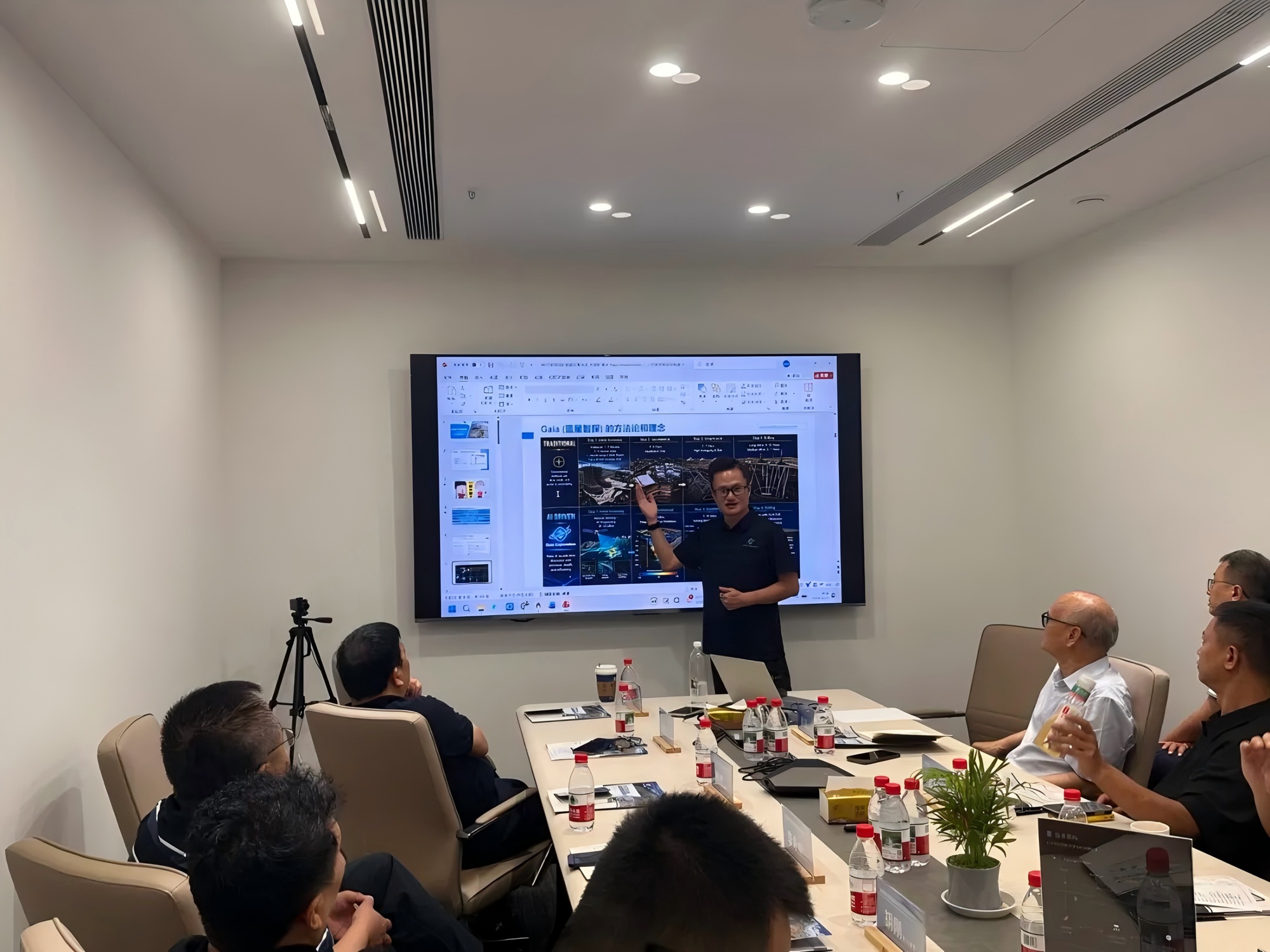
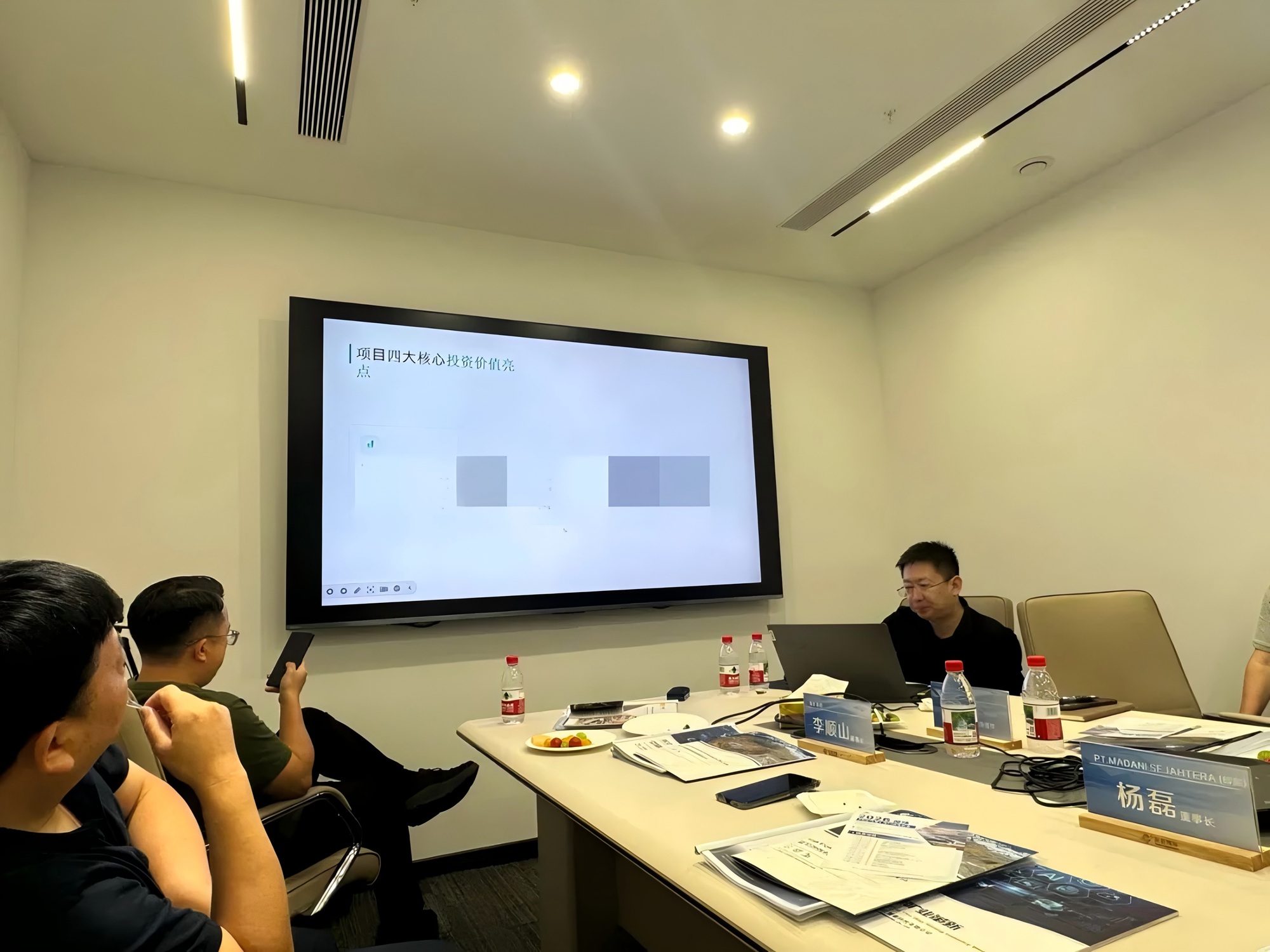
On June 27, 2026, GAIA Exploration held its first closed-door “Exploration Breakthrough” sharing salon. Under the theme “AI × Mining × Capital,” the event covered AI exploration, overseas project delivery, mining investment and M&A law, target-generation breakthroughs, senior geological experience and selected project roadshows.
The invitation-only event brought together mining companies, industrial capital, investment institutions, advisers and overseas project owners for a focused discussion on resource discovery, project-value judgment, practical AI deployment and capital collaboration.
PART 01
AI is not a concept display—it is entering the exploration decision process
During the morning session, GAIA presented practical applications of AI in front-end mineral exploration, including rapid prospectivity analysis from licence coordinates and deep-target interpretation supported by project cases.
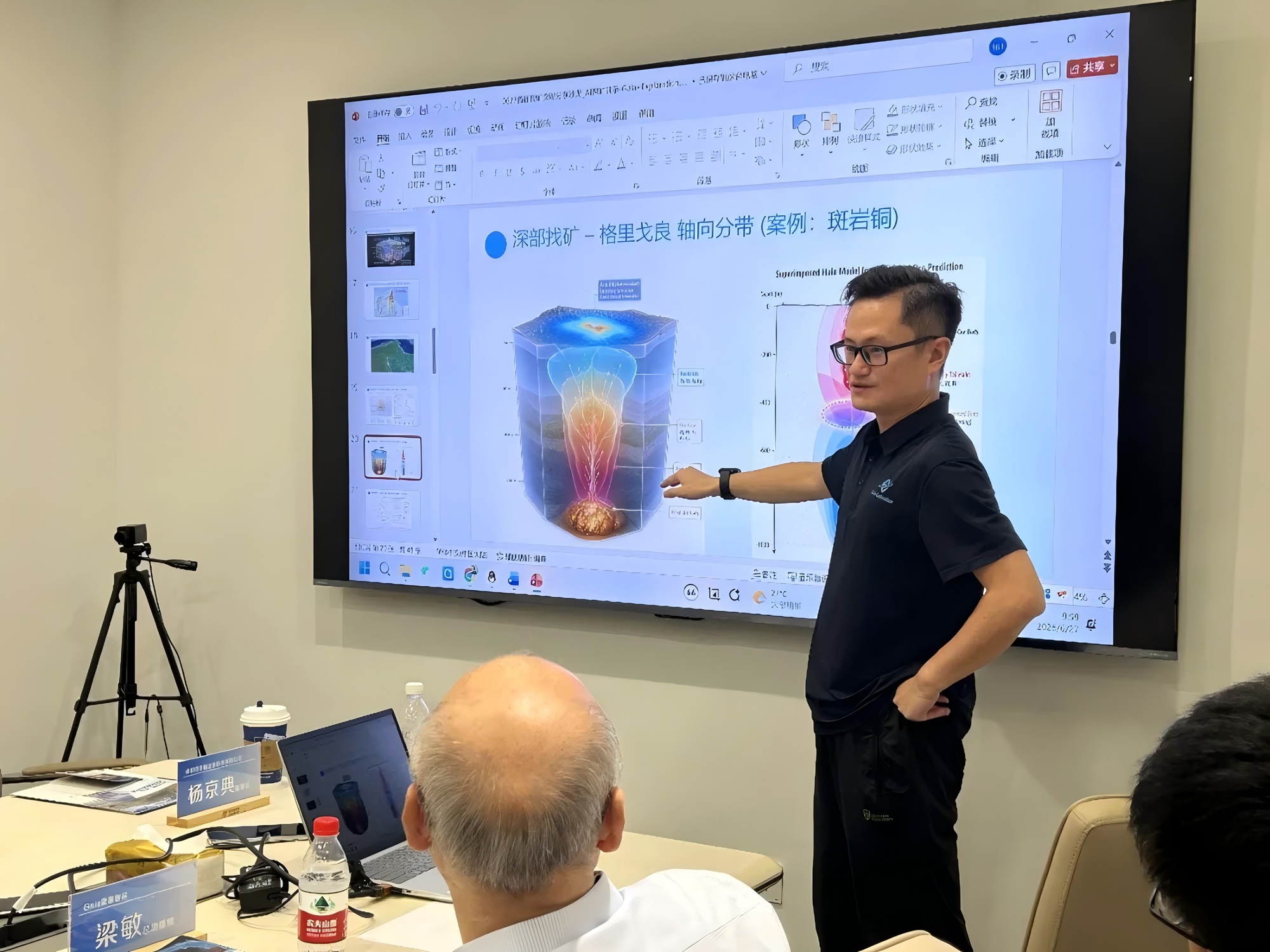
Traditional exploration depends heavily on expert experience and long cycles of collecting regional geology, structures, remote sensing, geochemistry, mineral occurrences and historical engineering data.
GAIA’s system brings this work forward, compresses the cycle and makes the reasoning more structured. By entering a licence boundary or target area, the platform can rapidly integrate metallogenic context, tectonic framework, magmatism, remote-sensing anomalies, geomorphology and known mineralization.
The value of AI is therefore not only efficiency. It moves early project assessment from experience-led to evidence-led, and from isolated observations to system-level judgment.
PART 02
What GAIA AI does: from regional screening to target ranking
GAIA AI does not simply return “ore” or “no ore.” It evaluates whether a region contains a viable source, heat engine, fluid pathway, structural trap and preservation conditions, then combines remote-sensing interpretation, geological anomalies, terrain and known mineralization into a ranked target set.
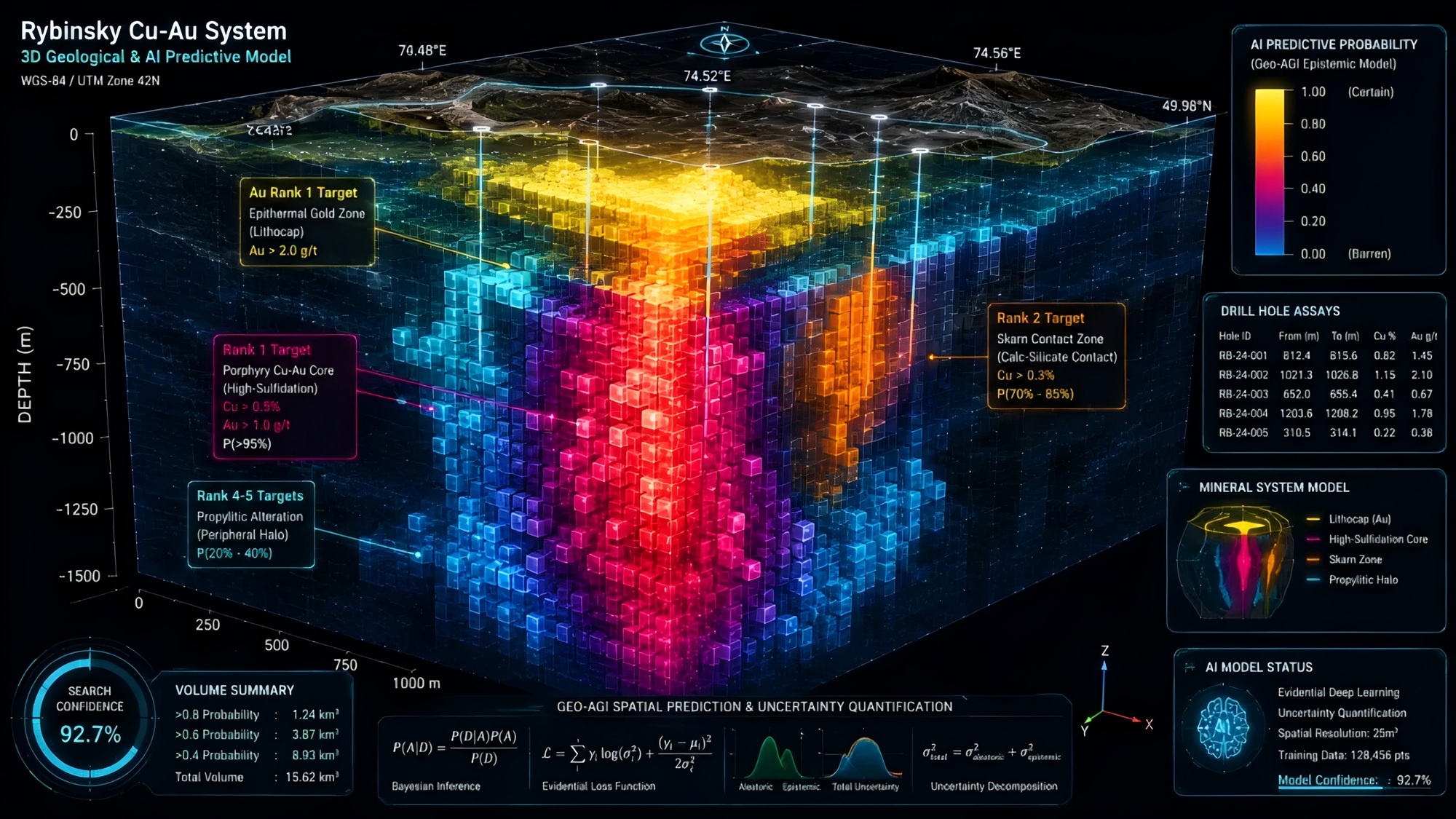
The resulting workflow is a closed loop: regional screening, ore-control identification, target delineation, deep-potential assessment, geological review and exploration deployment.
In practice, AI functions as a front-end amplifier and decision accelerator. It helps teams reject low-potential areas early, focus on projects with coherent evidence and clear validation paths, and allocate limited exploration capital to the most informative tests.
PART 03
The practical value of AI exploration across overseas projects
The salon used several overseas mineral projects to show how AI and geological expertise can support screening, potential assessment and target validation.
At Indonesia’s Hulubalang gold project, GAIA integrated regional structure, geochemical anomalies, mineralization trends and deep mineral-system models. The work indicated both resource-extension potential and a possible porphyry-style system at depth to the south.
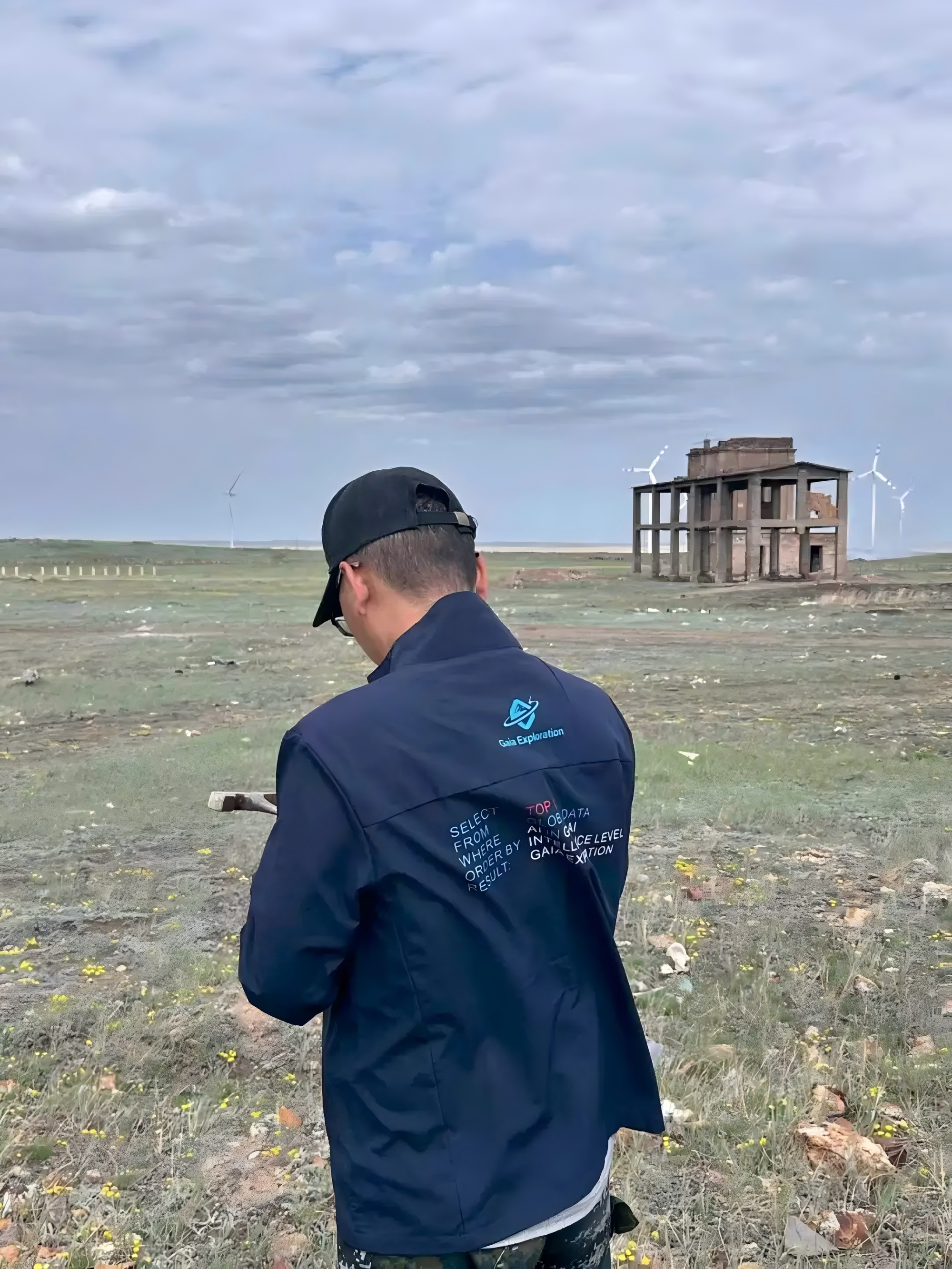
In Kazakhstan, GAIA interpreted the Greater Altai metallogenic belt and the Kalba–Narym granite-related system as a source–transport–accumulation combination extending from primary mountain sources through structural transition zones into broad alluvial basins.
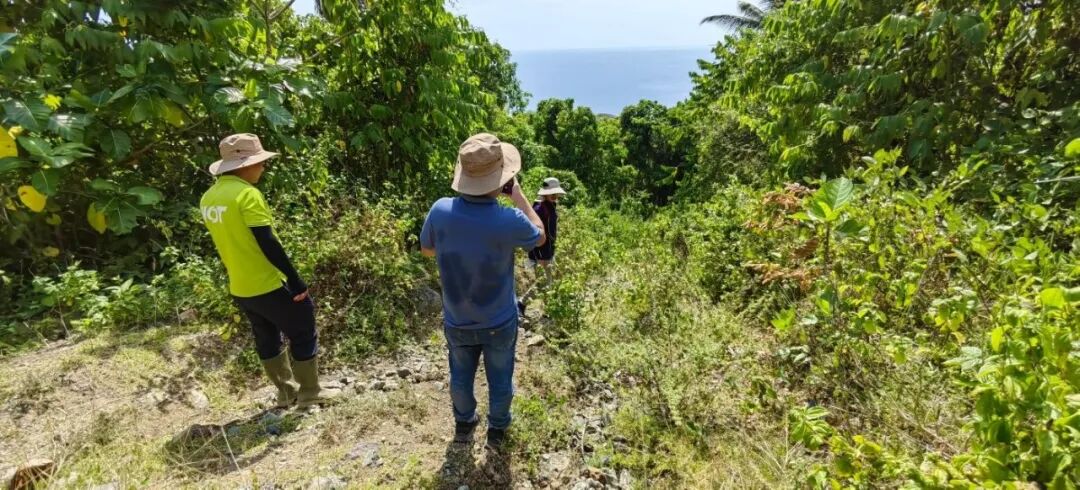
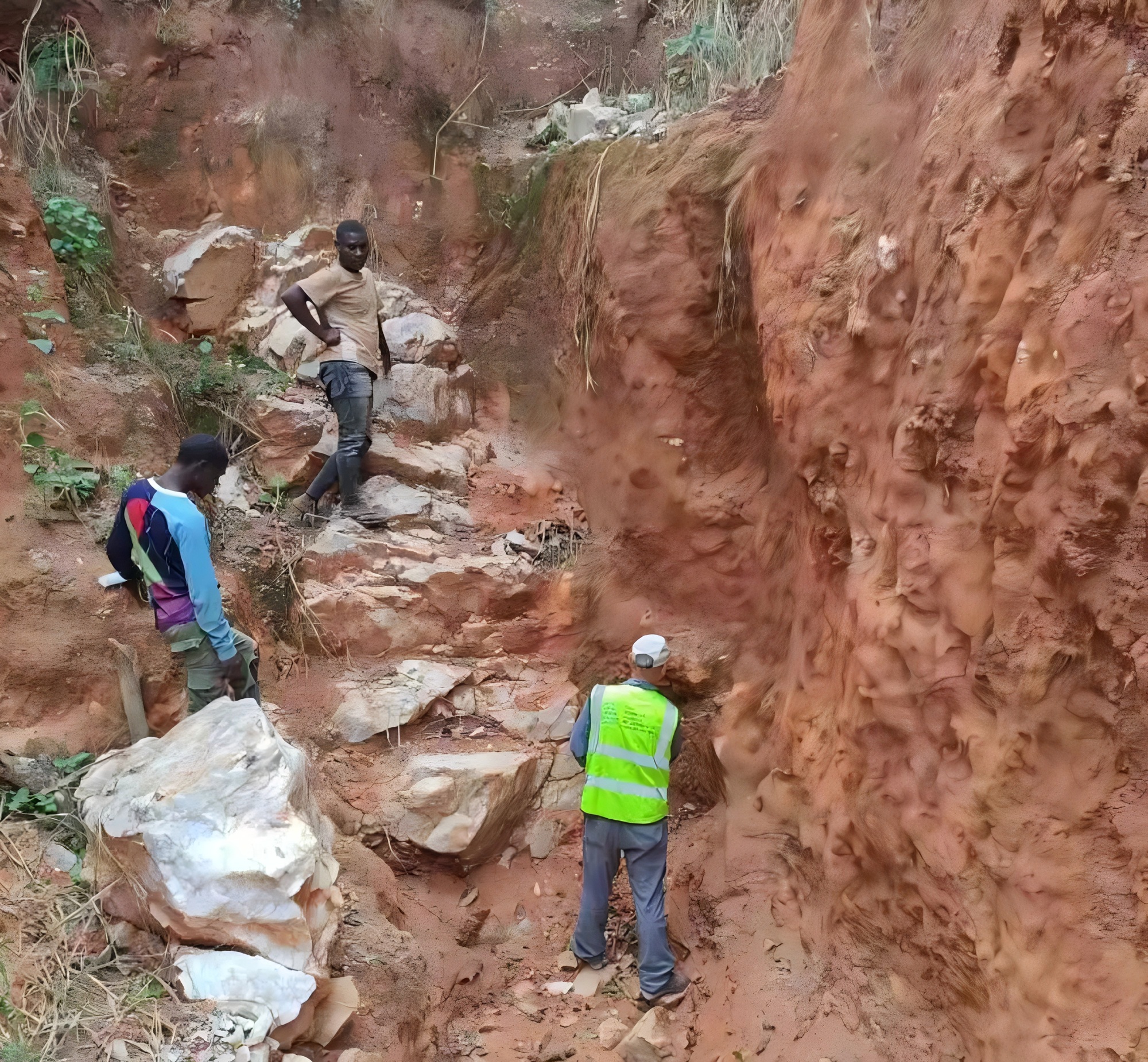
Around Tanzania’s Lake Victoria goldfields, the team combined greenstone belts, major known mines, artisanal activity, shear zones and granitoid contacts to outline several priority targets.
Across gold, copper-gold, laterite nickel, tantalum-niobium, rare earths and fluorite, GAIA applies a common geological logic and model framework to improve project discovery, assessment and ranking.
PART 04
From technical judgment to project delivery: mining needs a complete capability chain
An overseas mineral project is not a single-technology problem. Value creation may require data review, field reconnaissance, sampling and assays, geophysical verification, drill design, resource estimation, process assessment, investment modelling, legal due diligence and transaction design.
AI can help a team find direction faster, but delivery still requires coordinated engineering, geology, investment and legal capabilities.
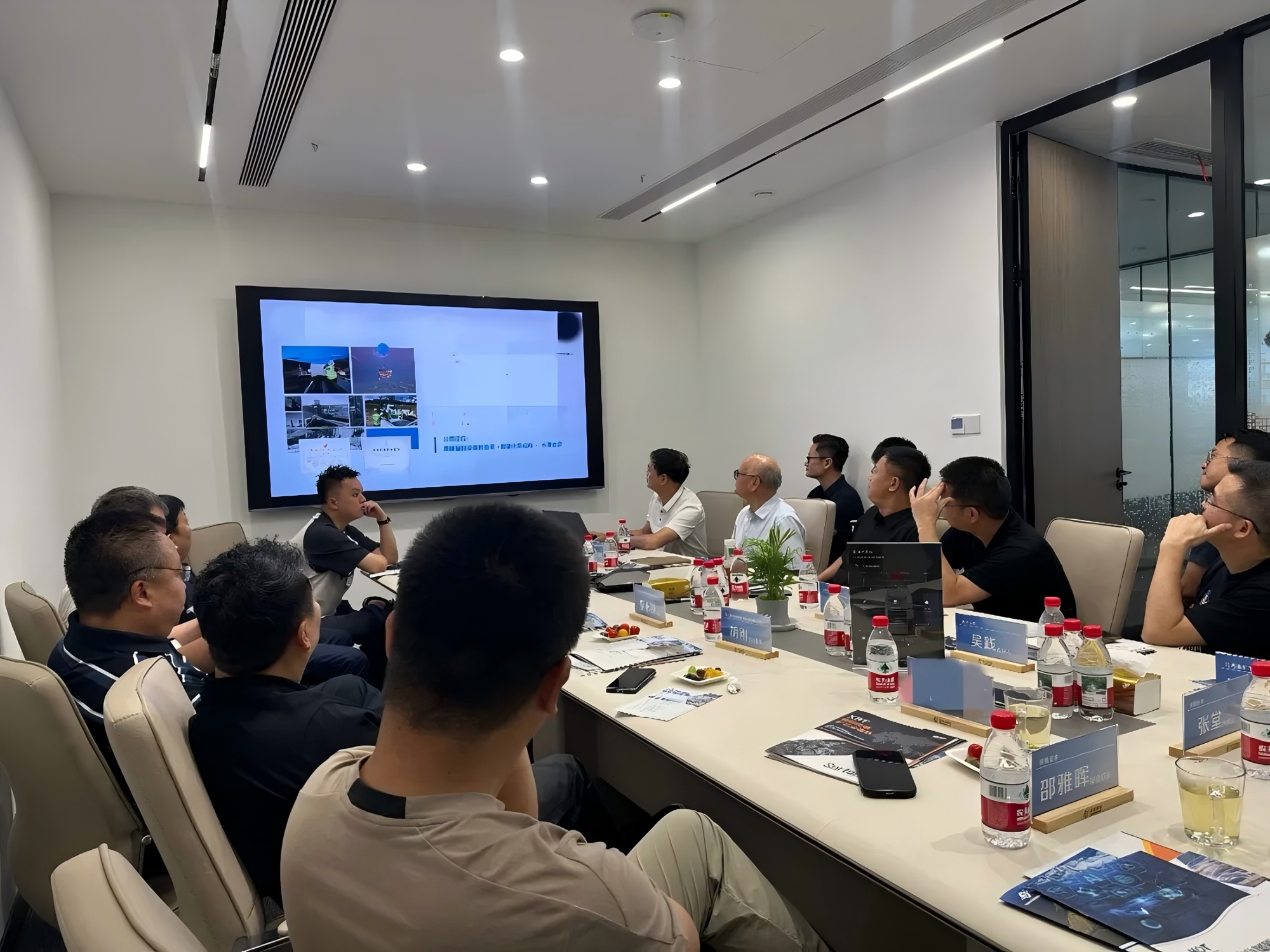
The session emphasized that early target identification is only the beginning. Turning technical clues into real project value depends on execution, resource integration and risk control. GAIA is building a chain from AI screening and geological verification through licence access, project cooperation and capital collaboration.
PART 05
Mining investment and M&A: resource opportunities also require transaction architecture
The afternoon legal session discussed the distinct risks of mining investment and acquisitions. Title, resource reliability, historical compliance, conversion from exploration to mining, environmental liabilities, community relations, cross-border financing, equity structure, earn-in terms and exit mechanisms all affect value and transaction security.
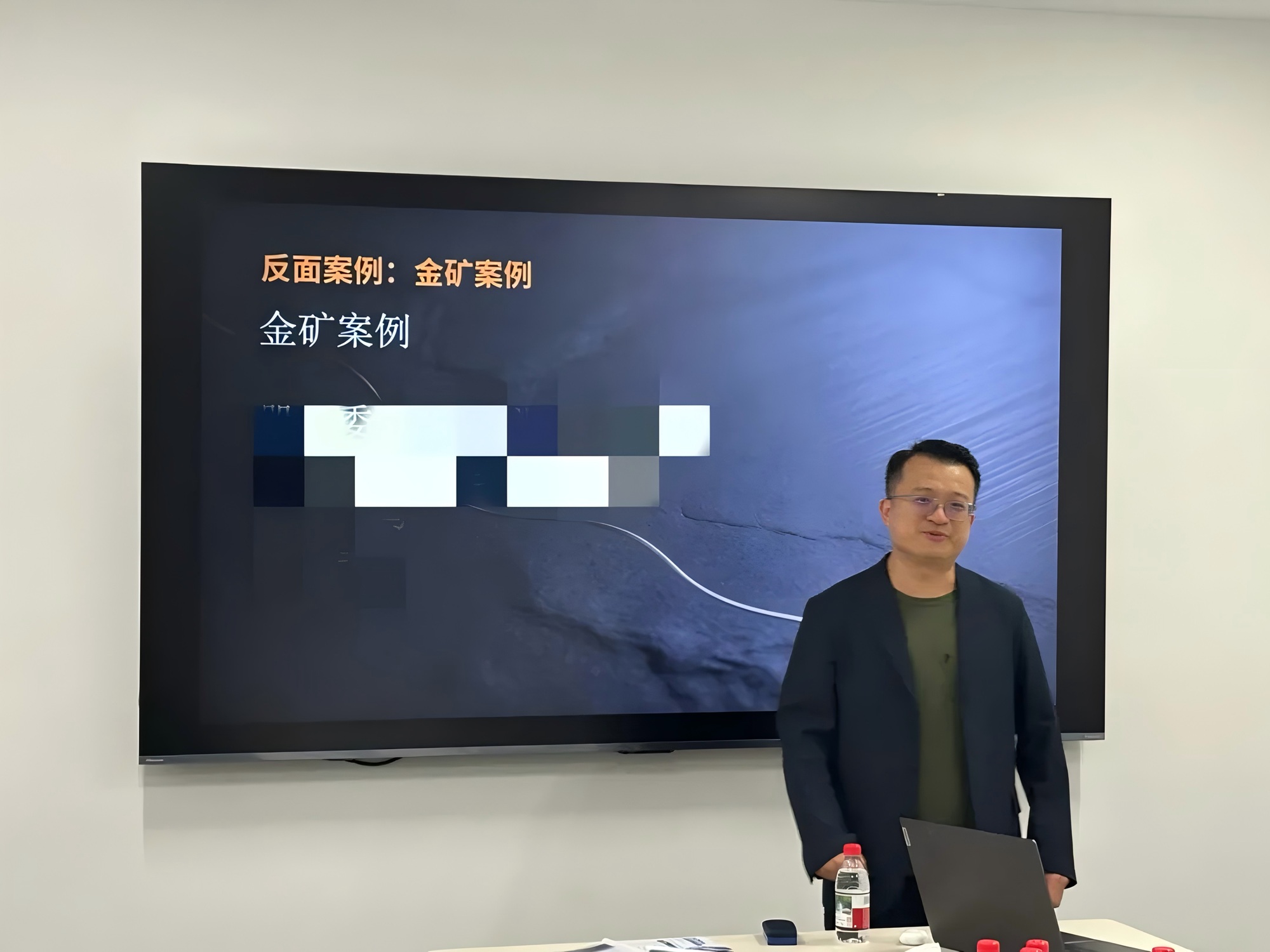
Early projects need clear rights, staged commitments, ownership of results and risk-sharing mechanisms before uncertainty is fully resolved.
Technical judgment, legal due diligence and transaction structure must reinforce one another. This is consistent with GAIA’s approach: identify potential with AI, reduce early uncertainty through flexible earn-in structures, and protect all parties through disciplined legal and commercial design.
PART 06
Exploration breakthroughs are created by technology, experience and business models together
Mining value is discovered as uncertainty is progressively removed. A licence may begin with little more than coordinates, regional information and a few mineralized clues. Remote sensing, field geology, sampling, geophysics, drilling and resource estimation gradually transform how the market understands the project.
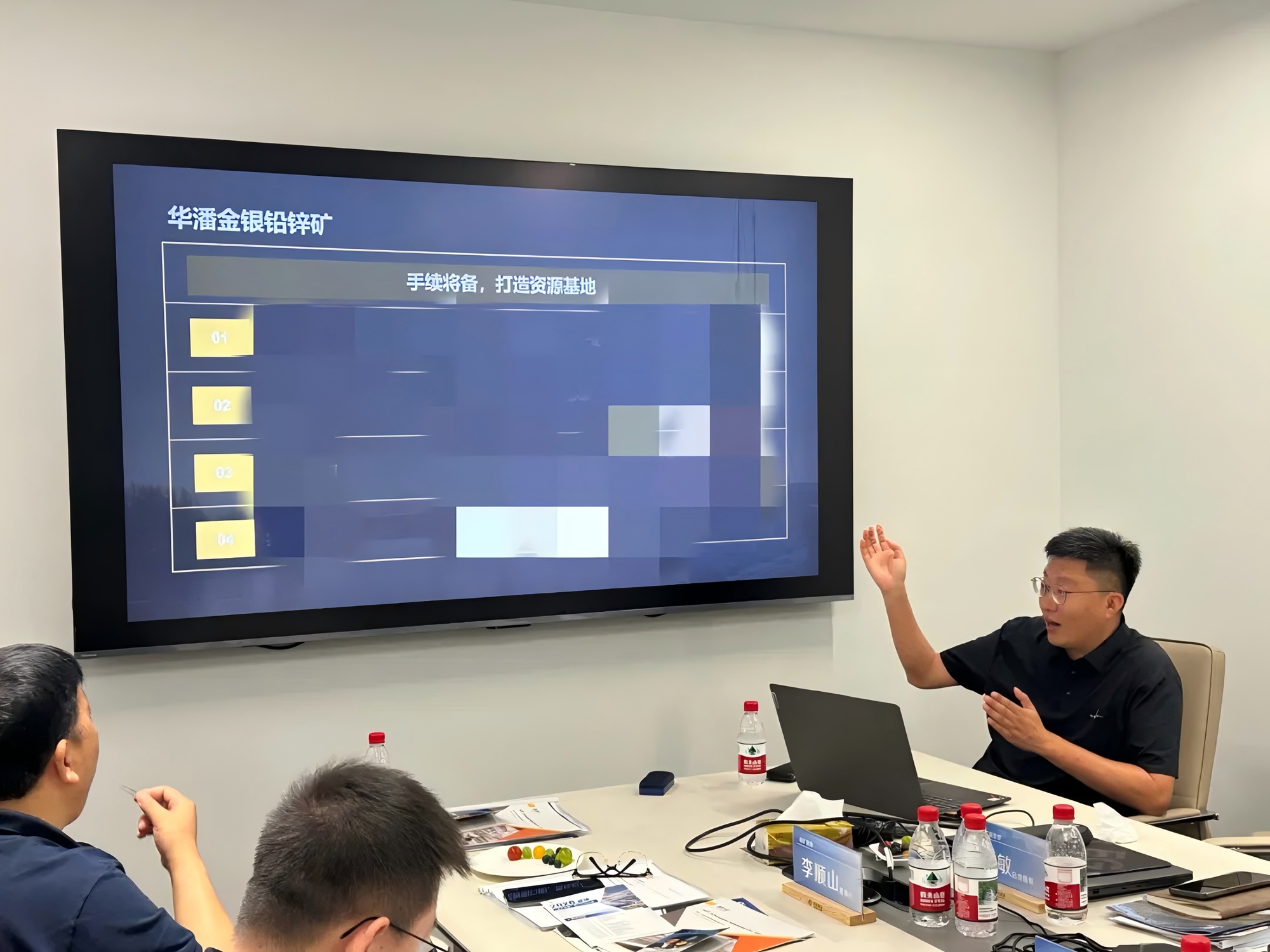
GAIA’s concept of an “exploration breakthrough” is therefore not a one-off discovery. It combines AI capability, geological experience, project resources and capital structure to improve the probability of finding high-potential assets and shorten the path from clue to verification.
AI reorganizes information scattered across maps, reports, imagery, anomalies and expert knowledge, making the project logic clearer, the risk boundaries more explicit and the validation path more executable.
PART 07
AI + geologists: major discoveries will combine old experience with new algorithms
Senior geologists at the salon reviewed the full chain from target delineation and anomaly verification to drilling and resource estimation.
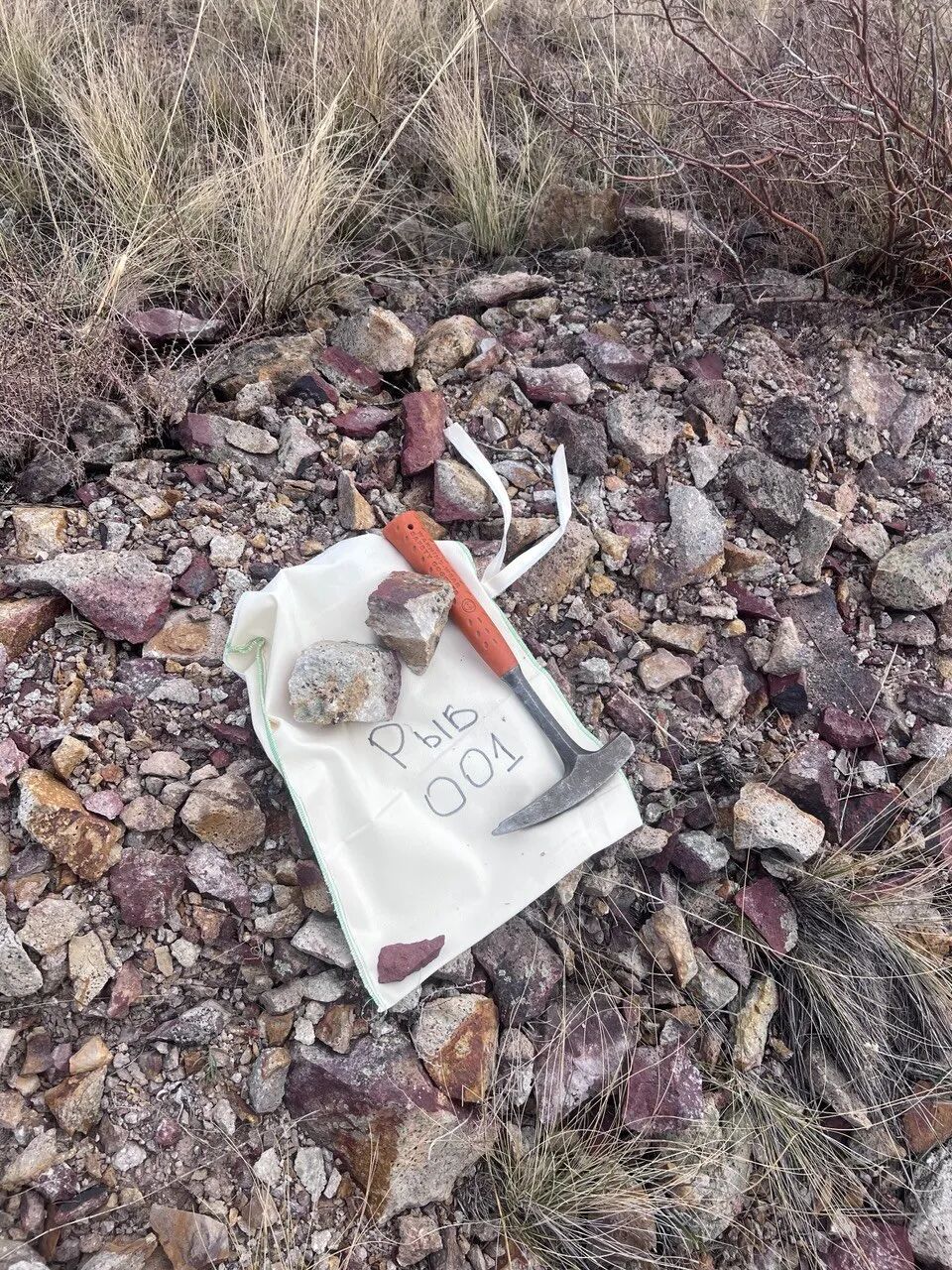
Remote-sensing anomalies, geochemical highs, structural lineaments, alteration and historical workings are only clues. A target still requires field identification of lithology, structures, alteration, mineral assemblages and spatial relationships.
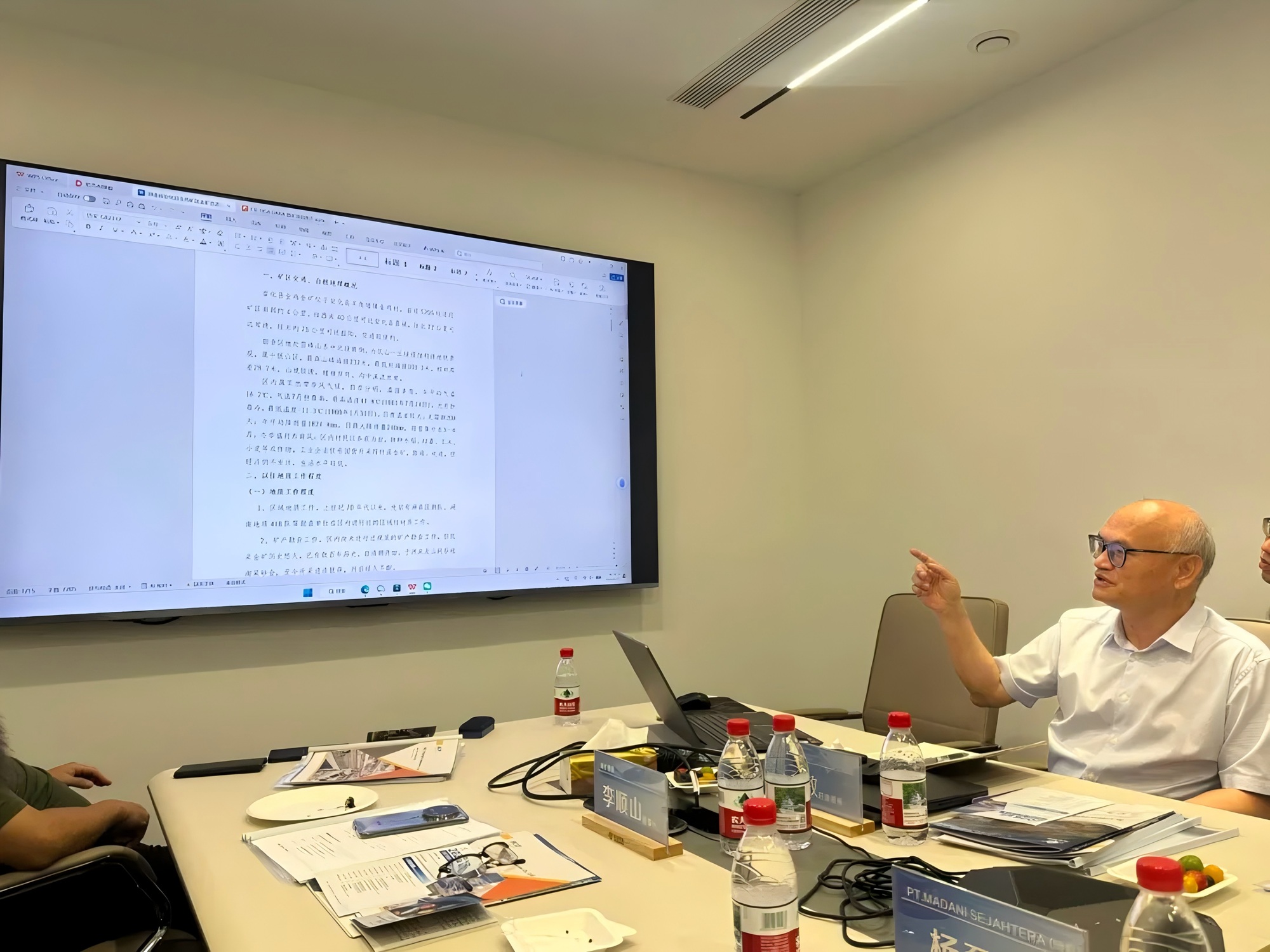
That is why GAIA emphasizes AI plus geologists. Algorithms expand the search space and raise screening efficiency; field mapping, sampling, mineral recognition and engineering verification remain irreplaceable.
The most competitive teams will not rely only on algorithms or only on traditional intuition. They will combine both.
PART 08
GAIA Exploration: reshaping global mineral discovery with AI
The first closed-door salon was another step in GAIA’s “AI + Mining” strategy. The company is building a next-generation discovery capability through AI models, multisource geoscience fusion, remote sensing, expert geological systems and an international project network.
AI is embedded at each stage: rapid metallogenic screening in project origination; evidence-chain construction during target assessment; optimized reconnaissance, sampling, geophysics and drilling during validation; and clearer project logic, risk boundaries and value pathways during cooperation and financing.
From Indonesian gold and the Greater Altai metallogenic belt to Tanzania’s Lake Victoria goldfields, Mozambique tantalum-niobium, Zimbabwe greenstone-belt gold and Indonesian laterite nickel, GAIA is extending the frontier of global resource discovery through AI and geological judgment.
PART 09
Conclusion: exploration breakthroughs are becoming systematic
Mining is the search for certainty within uncertainty. In the past, breakthroughs often depended on experience, time and luck. AI is making the process more systematic, explainable and testable.
GAIA believes future discoveries will increasingly emerge from geological experience, artificial intelligence and capital collaboration acting together.
AI will not replace geologists, but it can help them approach the right answer faster. Capital does not replace resource value, but it can give strong projects the opportunity to be verified and developed.
GAIA will continue working with mining partners, industrial capital, investors and technical experts to move high-potential projects from clues to discoveries, from targets to resources and from resources to durable industrial value.